
COMMERCIAL LED LIGHTING SINCE 1965 • LONG ISLAND, NY • FL • NATIONWIDE PROJECT SUPPORT
Warehouse & Industrial LED Lighting for Long Island Businesses
Plan a brighter, more efficient warehouse or industrial facility with LED lighting designed around ceiling height, aisle layout, work tasks, visibility, controls, operating hours and long-term energy costs.
Toll Free: (888) 614-1688 • PSEG Long Island rebate guidance available for qualifying projects.
WAREHOUSE LIGHTING IS A SYSTEM
Better Industrial Lighting Starts With the Building, Not the Fixture Box
A warehouse can have hundreds of light fixtures and still feel dim, uneven or difficult to work in. The problem is often not simply the age of the lamps. Ceiling height, rack configuration, aisle width, fixture spacing, beam distribution, reflectance, task location, operating schedule and controls all affect how useful the light becomes at the floor, on shelving and at actual work surfaces.
Creative Lighting helps commercial and industrial customers plan LED upgrades around the way the facility is actually used. That can include warehouses, distribution centers, manufacturing areas, storage buildings, service departments, loading areas, indoor parking, office areas within an industrial property and exterior building zones. The goal is not to install the brightest fixture available. It is to create useful illumination where employees, customers and equipment need it while reducing wasted light and avoidable energy use.
For Long Island facilities, we can also help customers understand current PSEG Long Island commercial efficiency resources and whether a proposed lighting project may fit an available rebate pathway. For larger organizations with multiple properties, Creative Lighting can support lighting planning across New York, Florida and nationwide project opportunities while remaining based in Plainview, New York.
INDUSTRIAL APPLICATIONS
LED Lighting for Warehouses, Distribution Centers & Industrial Facilities
Industrial buildings are rarely one uniform room. A single property may contain 30-foot warehouse aisles, low-ceiling packing stations, shipping docks, machine areas, offices, restrooms, exterior entrances and parking. Each zone needs a different lighting approach.
High-Bay Warehouses
High ceilings require fixtures and optics capable of putting useful light where it belongs. Creative Lighting can help evaluate fixture output, spacing, mounting height, aisle conditions and controls for open warehouses and large storage facilities.
Racked Aisles & Distribution
Narrow aisles and tall racking create a different challenge than open-floor warehouses. Proper distribution helps illuminate vertical surfaces and picking areas instead of concentrating light only on the top of racks and the center of the floor.
Manufacturing & Work Areas
Production areas may need stronger task visibility, color recognition, comfortable brightness and dependable illumination around equipment. Lighting should be planned around the work being performed, not a one-size-fits-all fixture count.
Loading Docks & Shipping
Shipping and receiving areas transition between interior and exterior conditions and can involve constant movement. Properly selected LED lighting can improve visibility around dock doors, staging zones, ramps and circulation areas.
Industrial Offices
Many facilities combine warehouse operations with offices, conference rooms, counters and administrative workspaces. LED panels, troffers, linear fixtures and controls can create a more comfortable visual environment without making the office feel like an extension of the loading dock.
Exterior Facility Lighting
Wall packs, building-mounted fixtures, loading-area lighting and parking lot systems should work together with the interior plan. Exterior upgrades can improve coverage and consistency while reducing unnecessary spill and outdated high-wattage equipment.
HIGH BAY • LOW BAY • AISLE
Choosing the Right LED High-Bay or Low-Bay Lighting
“High bay” and “low bay” describe more than a fixture style. They describe applications with different mounting heights, coverage needs and optical requirements. The DesignLights Consortium identifies high-bay commercial and industrial luminaires as equipment intended for high-ceiling spaces and separately recognizes high-bay aisle products for aisle-focused applications. That distinction matters because a fixture that performs well over an open production floor may be a poor choice between tall racks.
Creative Lighting evaluates the space before recommending a direction. Ceiling height, existing fixture locations, electrical conditions, rack layout, floor use, target light levels, photometric performance, glare and future flexibility should all be considered. In many facilities, the smartest design uses more than one fixture family across the building.
UFO high bays can work well in many open industrial environments. Linear high bays can be useful where broader distributions or row layouts make sense. Aisle fixtures can focus light vertically and along narrow paths. Low-bay fixtures may fit workshops, storage buildings and areas with lower mounting heights. Office and support spaces can use panels, troffers or linear architectural products instead of forcing warehouse hardware into every room.
We Plan Around:
Helpful technical resources: DesignLights Consortium Qualified Products Lists and the U.S. Department of Energy commercial and industrial LED guidance.
RETROFIT STRATEGY
LED Retrofits Without Guessing at One-for-One Replacement
Replacing every old fixture with one new fixture sounds simple, which is exactly why it is tempting. It is not always the best design. New LED equipment can have very different output, distribution and control capabilities than older fluorescent or HID systems. A thoughtful retrofit asks whether the existing layout should be preserved, reduced, repositioned or divided into zones.
That review can uncover opportunities to improve the lighting while also reducing fixture count, wattage or operating hours. Some projects benefit from new luminaires. Others may use suitable retrofit solutions. The condition of existing housings, wiring, drivers, ballasts, mounting hardware and controls should be part of the decision.
The U.S. Department of Energy notes that commercial and industrial LED luminaires can work with occupancy sensing, task tuning and dimming strategies. In a warehouse, that can be particularly useful in intermittently occupied aisles, storage sections, back rooms or areas that do not require full output every minute of the day.
SMARTER ENERGY USE
Controls Can Make an Efficient LED System Even Smarter
Warehouses often have long operating hours, large square footage and zones that are occupied very differently throughout the day. That makes controls one of the most important parts of the lighting conversation.
Occupancy Sensors
Reduce unnecessary full-output operation in aisles, storage areas, back rooms and other spaces that are not continuously occupied.
Dimming
Allow appropriate fixtures to operate below full output when full illumination is unnecessary, while preserving the ability to increase output when activity changes.
Daylight Response
Facilities with skylights, clerestories or strong daylight exposure may be able to reduce electric-light output when natural light is contributing to the space.
Scheduling
Time-based controls can help align lighting operation with shifts, building hours, cleaning schedules and predictable occupancy patterns.
Controls should be selected with the building and the people using it in mind. Overly aggressive shutoff settings can frustrate employees and create poor working conditions. The goal is useful automation, not making someone wave a forklift at a sensor to get the lights back on.
ENERGY + REBATE PLANNING
PSEG Long Island Commercial Lighting Rebate Guidance
For qualifying Long Island projects, rebates can change the economics of an LED upgrade. PSEG Long Island currently maintains commercial efficiency programs and Prime Efficiency Partner resources for businesses evaluating energy-saving improvements. Eligibility, equipment requirements, incentive amounts and program rules can change, so a project should be reviewed against the current program rather than an old rebate chart saved in someone’s desk drawer.
Creative Lighting helps customers understand available commercial lighting rebate direction as part of the project-planning process. That may include reviewing product eligibility, discussing project scope and helping customers identify the appropriate PSEG Long Island resources. Rebate approval is determined by the program, not by Creative Lighting, and no incentive should be assumed until current eligibility is confirmed.
Even when a project does not qualify for a specific incentive, energy use still matters. Warehouse lighting can run for thousands of hours each year. Fixture efficiency, controls, operating schedule, maintenance access and expected service life all affect the long-term ownership cost.
LIGHTING QUALITY
Brightness Alone Does Not Make a Warehouse Easier to Work In
A successful industrial lighting project has to consider more than raw lumens. Employees need to see labels, shelving, equipment, walkways, loading areas and work surfaces without fighting deep shadows, harsh contrast or distracting glare. A system can measure bright at one point and still perform poorly across the facility if the light is uneven or badly distributed.
Uniformity matters in long aisles and open work areas because people and equipment are constantly moving between zones. Glare matters when fixtures are mounted within a worker’s normal field of view or when high-output luminaires are used over repetitive tasks. Color quality and color temperature can also affect how merchandise, packaging, components and workspaces appear. Those decisions should match the operational environment rather than being selected because one specification happens to be popular.
Photometric planning can help compare fixture layouts before a project is installed. For larger or more complex spaces, that allows the team to study how fixture distribution, mounting height and spacing are likely to interact across floors, aisles and task areas. It also makes it easier to identify where a single fixture type is insufficient and where separate lighting zones are justified.
PROJECT PLANNING
From Existing Conditions to a Practical Lighting Plan
01
Review the Facility
We start with the building: dimensions, ceiling heights, rack layout, current fixtures, work zones, exterior areas, office spaces, operating hours and the problems the customer wants to solve.
02
Define Performance Goals
Different facilities prioritize different outcomes. Better aisle visibility, lower energy use, fewer maintenance events, better office comfort, improved exterior coverage and rebate eligibility can all shape the project.
03
Evaluate LED Options
Fixture type, output, optics, color characteristics, controls and product qualifications are reviewed against the space instead of selected from a generic “warehouse light” category.
04
Plan the Upgrade
Recommendations can address new fixtures, retrofit opportunities, zoning, controls, project phasing and related lighting needs so the facility has a coherent plan rather than isolated fixture swaps.
BEYOND THE WAREHOUSE FLOOR
Office, Parking & Exterior Lighting Belong in the Same Facility Plan
A warehouse lighting project should not stop at the last rack. Employees and visitors move through entrances, hallways, offices, restrooms, shipping areas, drive lanes and parking lots. If those spaces are ignored, the building can end up with an efficient warehouse floor surrounded by outdated fixtures and inconsistent lighting.
Administrative offices often benefit from lower-glare LED panels, troffers, linear fixtures and controls appropriate for desk work and computer use. Conference rooms may require dimming or multiple scenes. Corridors and storage rooms can benefit from occupancy strategies. Exterior wall packs, flood lighting and parking lot fixtures need appropriate distribution and mounting, with attention to useful coverage rather than simply increasing wattage.
For facilities planning a broader modernization, Creative Lighting can review these connected applications together. That makes it easier to keep color appearance, controls, maintenance requirements and product strategy consistent across the property.
OTHER COMMERCIAL SPECIALTIES
One Lighting Partner Across Very Different Commercial Environments
Creative Lighting’s work extends beyond warehouses. The same design discipline matters when the environment changes from racks and loading docks to vehicle displays, athletic courts or outdoor commercial properties. These specialties should live on their own focused pages, then connect through contextual internal links.
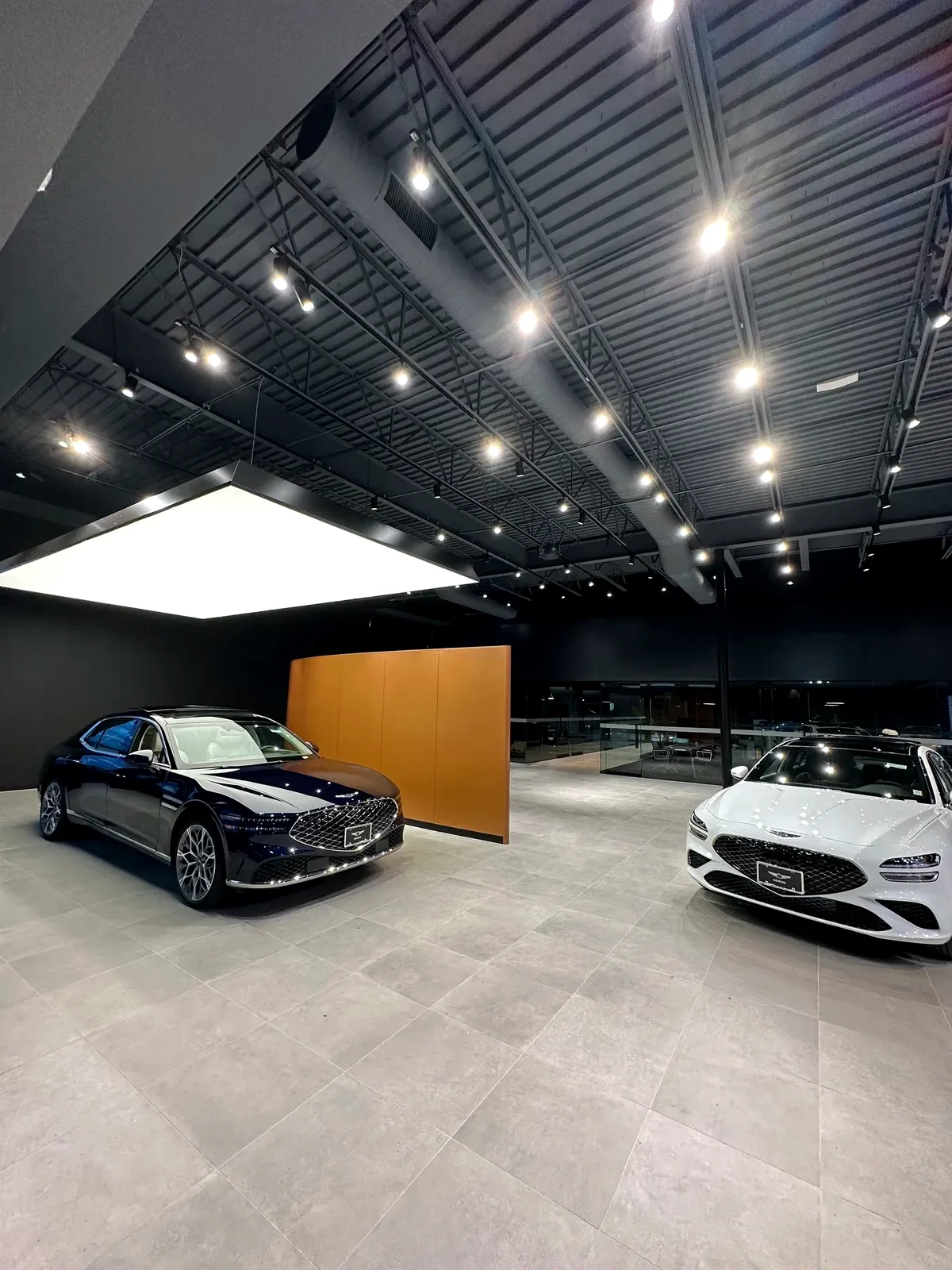
Auto Dealership LED Lighting
Showrooms, vehicle display lots, service bays, offices and exterior presentation require a different balance of visual impact, uniformity and efficiency.
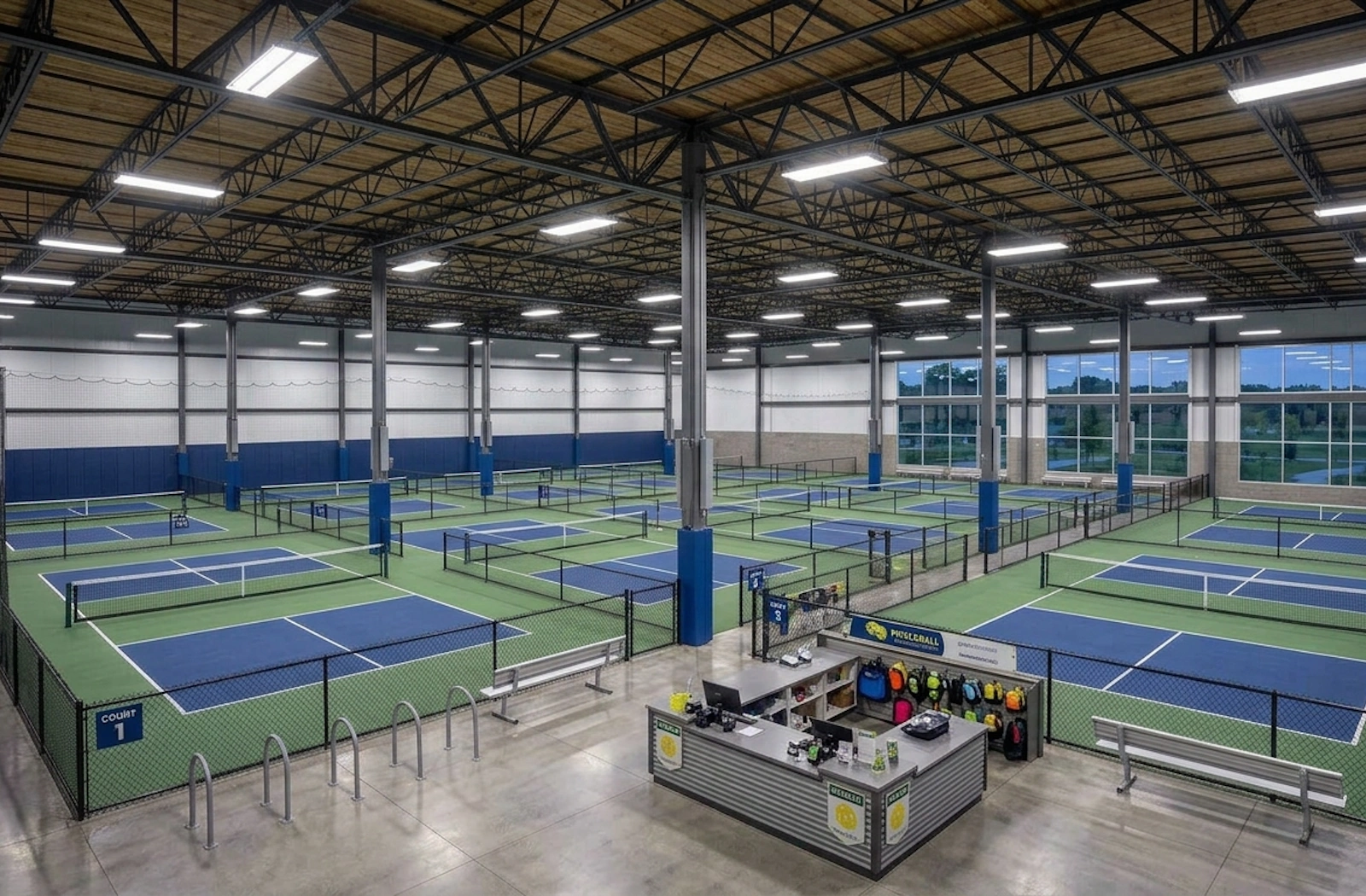
Pickleball Court Lighting
Indoor and outdoor court projects need clear ball visibility, controlled glare, appropriate mounting and consistent coverage across the playing surface.
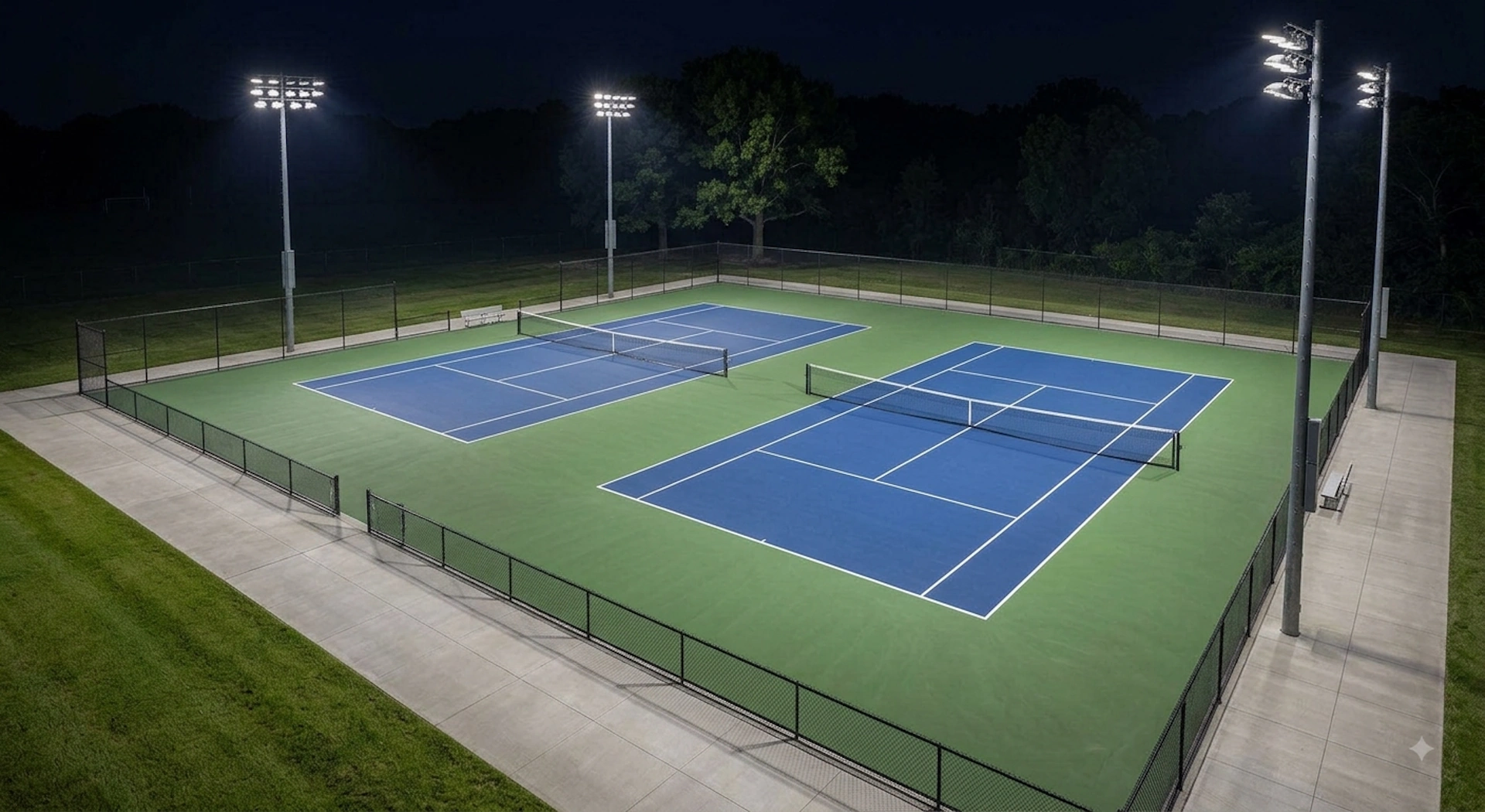
Tennis Court Lighting
Tennis lighting requires a thoughtful combination of fixture placement, uniformity, glare management and illumination appropriate for recreational or competitive play.
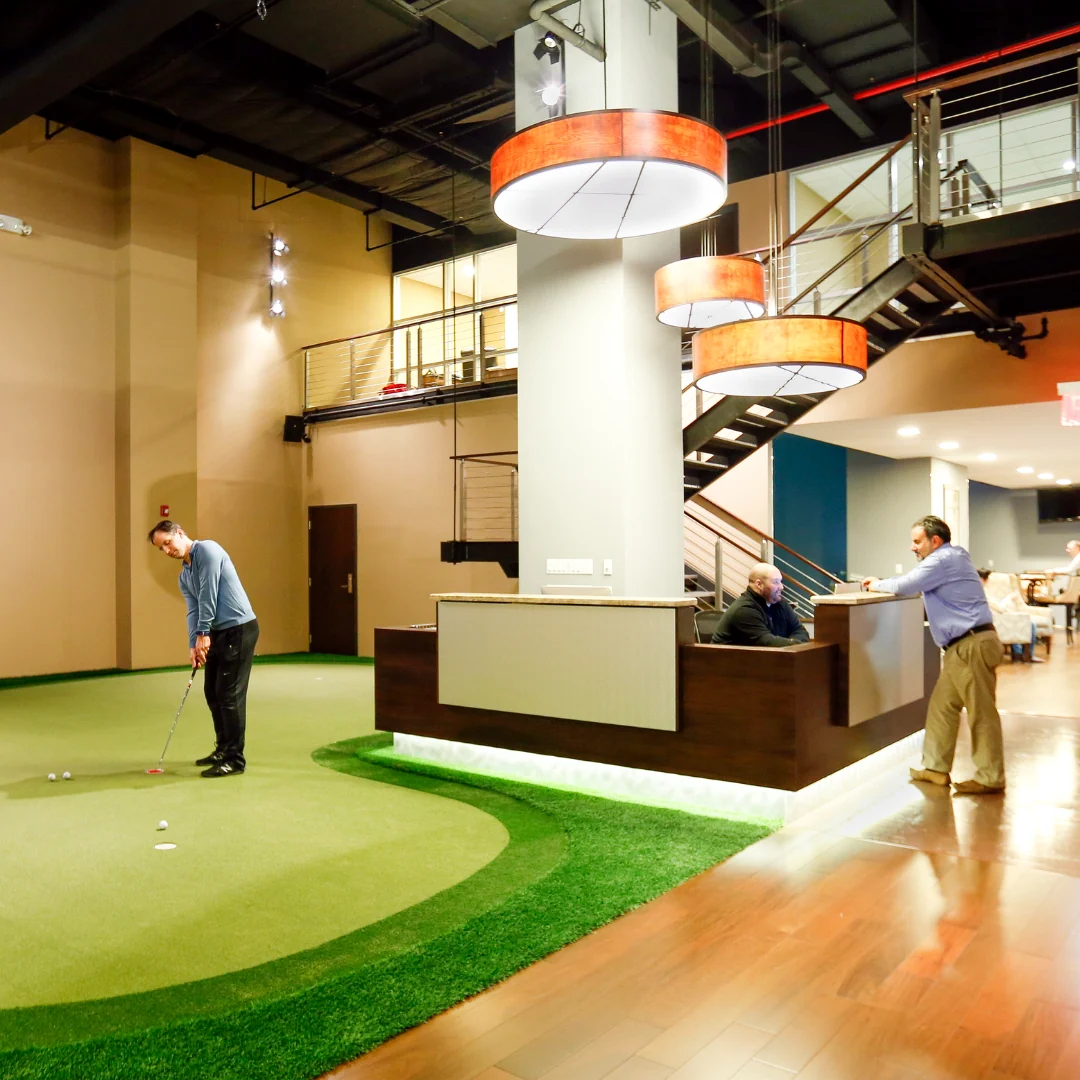
Sports Facility Lighting
Gyms, courts, fields and recreation facilities can require high-output LED systems, controls and layouts designed around players, spectators and facility use.
WHY CREATIVE LIGHTING
Commercial Lighting Experience That Predates the LED Era
Creative Lighting has served commercial customers since 1965. That matters because good lighting work is not only about knowing the newest product. It is about understanding how businesses use their buildings, how fixture choices affect a space, how projects are planned and how technology changes over time.
Today, the focus includes commercial LED lighting design guidance, product support, retrofit planning, controls, energy-saving strategies and rebate awareness. Creative Lighting is based in Plainview and works with Long Island businesses while also supporting projects in New York, Florida and nationwide opportunities.
For warehouse and industrial clients, that experience can help simplify decisions across multiple types of spaces. Instead of treating the warehouse, office, loading dock and parking lot as unrelated purchases, we can help build a more coherent lighting strategy around the entire property.
WAREHOUSE LED LIGHTING FAQ
Questions About Warehouse & Industrial LED Lighting
What type of LED lighting is best for a warehouse?
The best fixture depends on ceiling height, aisle geometry, rack height, floor use, target light levels, existing fixture locations and controls. High-bay, linear high-bay, aisle-focused, low-bay and other commercial luminaires can all be appropriate in different zones. A lighting review is more reliable than choosing a fixture based only on wattage or lumen output.
Can Creative Lighting replace metal-halide or fluorescent warehouse lighting with LED?
Yes. Creative Lighting can help evaluate LED retrofit options for facilities using older metal-halide, HID, fluorescent or other legacy lighting systems. The project should review the condition and location of existing equipment along with the opportunity to improve spacing, controls and fixture type rather than automatically assuming a one-for-one replacement.
Do warehouse LED lights work with occupancy sensors and dimming?
Many commercial LED luminaires are compatible with occupancy sensing, dimming and other control strategies. The U.S. Department of Energy specifically recognizes controls such as occupancy sensing, task tuning and dimming as strategies that can produce additional energy savings when applied appropriately. Product compatibility and control design should be confirmed for the specific project.
Can you help light warehouse aisles and tall racks?
Yes. Aisle lighting requires attention to vertical illumination, rack height, aisle width and fixture optics. Fixtures designed for open floor areas may not distribute light effectively down narrow aisles. A layout should account for the way workers pick, stock and move through the space.
Does Creative Lighting handle office areas inside industrial buildings?
Yes. Office, conference, corridor and administrative areas can be included in the broader facility plan. These spaces often need different fixtures and light levels than the warehouse floor, including panels, troffers, linear products, dimming and occupancy controls.
Can a warehouse lighting project qualify for PSEG Long Island rebates?
Some commercial efficiency projects may qualify under current PSEG Long Island programs, depending on the equipment, customer, project scope and program rules in effect at the time of application. Creative Lighting can provide rebate direction and help customers identify current resources, but eligibility and incentive approval are determined by PSEG Long Island.
Do you provide warehouse LED lighting outside Long Island?
Creative Lighting is based in Plainview, New York and serves Long Island commercial customers. The company also supports select commercial lighting projects across New York, Florida and nationwide opportunities. This does not imply a separate office in every service area.
Should we replace every existing warehouse fixture one-for-one?
Not necessarily. Modern LED fixtures can have different output and distribution from older equipment. Depending on the building, the better plan may preserve the layout, reduce fixture count, change fixture locations, create zones or use different fixtures in different areas. A review should come before ordering equipment.
What information helps start a warehouse lighting review?
Useful starting information includes the facility address, approximate square footage, ceiling height, photographs, current fixture types and quantities, operating hours, rack layout, areas with poor lighting, planned renovations and any energy or rebate goals. If that information is incomplete, Creative Lighting can still help identify the next step.
How do I contact Creative Lighting about an industrial LED project?
For local Long Island commercial lighting inquiries, call (516) 741-6333. For toll-free and broader project support, call (888) 614-1688. You can also use the project contact form to describe your facility and lighting goals.
START WITH THE FACILITY
Planning a Warehouse or Industrial LED Lighting Upgrade?
Talk with Creative Lighting about high-bay and aisle lighting, industrial offices, LED retrofits, controls, exterior lighting, energy-saving strategies and PSEG Long Island rebate guidance.